
Dive Sites in the Red Sea
All popular Dive Sites around the Red Sea

Elphinstone Reef
Overview
A reef with very steep slopes and two plateaus in the north and south. It is located 30 min east of Abu Dabab and is therefore an outer reef that drops well over 100m all around. Elphinstone is known for its whitetip sharks and notorious for the archway.
Description
From Marsa Alam the boat goes about one and a half hours north to Elphinstone Reef! The reef top of Elphinstone Reef lies at a depth of between one and three meters, depending on the water level. Strong surface currents and lots of boat traffic make snorkeling here impossible.
Divers, however, can dive right into a challenging treat! The reef is known for its exceptional biodiversity and, of course, sightings of large fish. In the north we dive on a sloping plateau from 18 to 40 meters and in the south on the underwater terraces. The west and east walls drop off steeply into the depths. The Elphinstone reef has a total length of about 600 meters and a width of 70 meters.
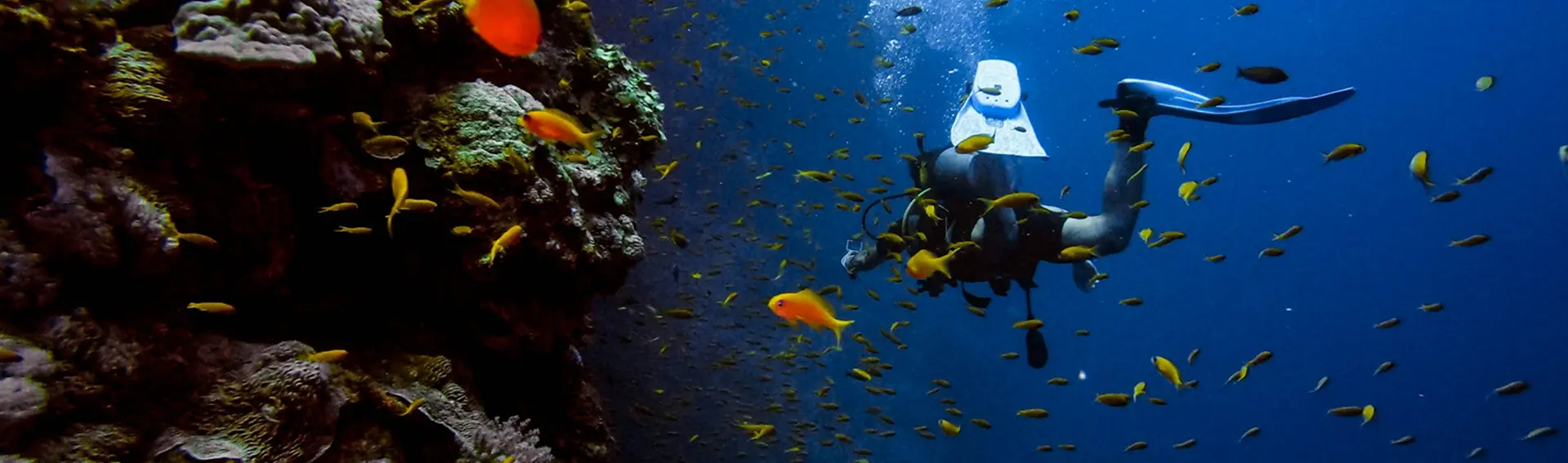
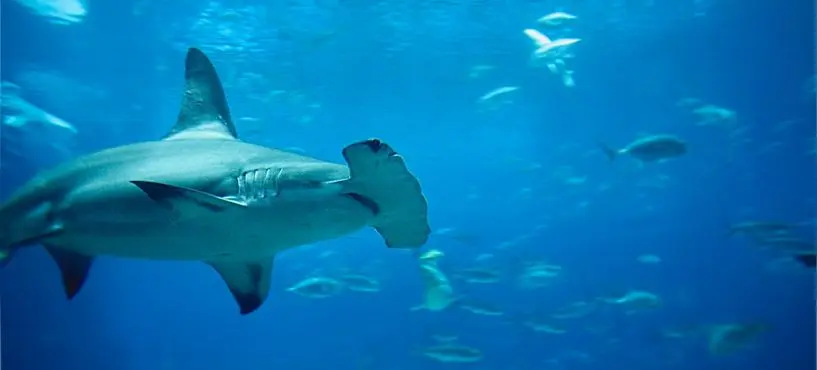
In large numbers we can see hard and soft corals in all colors. In addition, there are turtles, moray eels, oceanic white tip sharks, hammerhead sharks and pretty much everything that the Red Sea has to offer.
Hotspots
- Southern plateau: The southern plateau attracts with magnificent gorgonian gardens and Longnose Hawkfish. Often you can also find the oceanic white tip shark here.
- Northern Plateau: Very often you can see hammerhead sharks here.
Dive Plans
Currents may occasionally be strong; however, mooring lines tied by the guide allow divers to make a comfortable descent to the shelter of the wreck. Once inside, divers can explore the ship's holds where time has seemingly stood still. Motorbikes, trucks, guns and wartime cargo, never to reach its destination, lay stacked where it was loaded back in 1941.
Dive details for the first dive at this site will be outlined here, including entry point, depth profile, and key features to look for during the dive.
The second dive typically focuses on a different section of the wreck or an adjacent reef area, offering a fresh perspective with varying depth and marine life encounters.
A repeat dive on the SS Thistlegorm is common given the sheer scale of the wreck. Divers often discover new details — cargo holds, anti-aircraft guns, and the locomotive on the aft deck — that were missed on the first pass.
An additional point of interest in the area, offering complementary dive conditions and the chance to encounter different marine species in a nearby but distinct environment.