
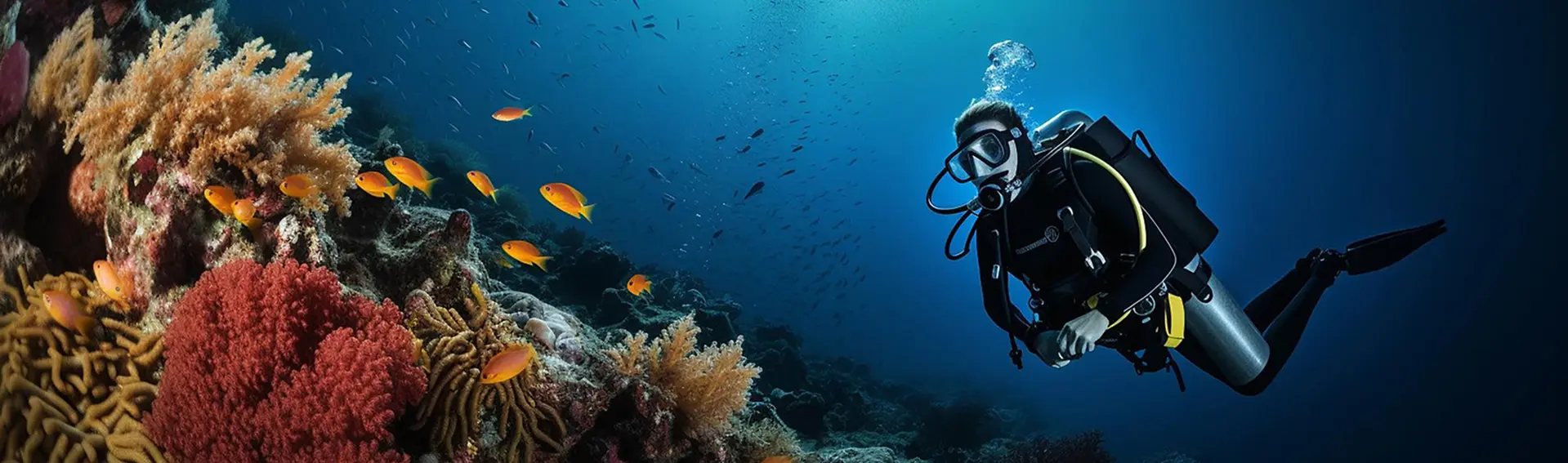
Why the North & Strait of Tiran Route Works So Well
At first glance, the North & Strait of Tiran itinerary looks like a straightforward combination of well-known dive sites — wrecks in the north, reef systems further east, and a route that connects them. But what makes this itinerary work is not just the locations themselves. It's how they are arranged over the course of a week.
A gradual start in the north
The trip usually begins in more sheltered areas. Reefs like Shaab El Erg or sites around Abu Nuhas tend to offer calmer conditions, making them a practical starting point. This part of the route gives divers time to settle in — checking equipment, adjusting weighting, and getting used to the daily rhythm.
It's also where several of the northern wrecks are located. These dives are structured, often with clear entry and exit points, and allow for a more controlled pace early in the trip.
Wrecks as a central element
Wreck diving plays a key role in this itinerary, but not in a repetitive way. Each site offers something different:
- Abu Nuhas wrecks — a concentrated area with multiple ships, each with its own layout
- SS Thistlegorm — larger, more complex, often requiring more than one dive
- Additional wrecks (conditions permitting) — sites like Rosalie Moller may be included depending on weather
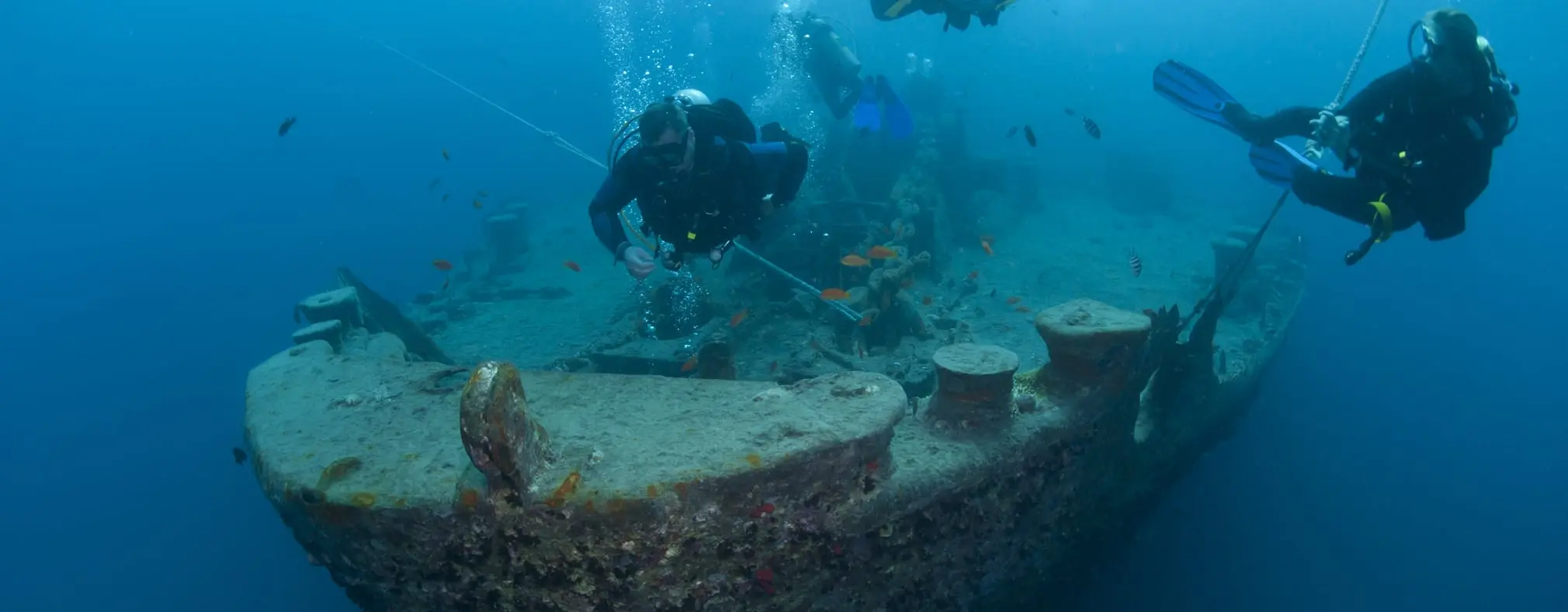
The SS Thistlegorm in particular stands out. Its size and preserved cargo make it less about a quick pass and more about moving through the wreck with some planning. For many divers, it becomes one of the defining dives of the week.
A shift toward exposed reef diving
As the route continues, the focus gradually changes. The reefs of Ras Mohammed and the Strait of Tiran introduce more exposure to open water and stronger currents.
This changes the style of diving:
- More drift dives instead of static exploration
- Greater focus on positioning and buoyancy
- Increased chances of encountering pelagic species
Sites like Jackson Reef or Thomas Reef are shaped by these conditions. Reef edges, drop-offs, and current lines create a very different experience compared to the earlier part of the trip.
A rhythm that holds it together
Across the week, a steady rhythm develops: dive, surface, eat, rest, repeat. While the structure stays consistent, the changing locations and conditions keep it from feeling repetitive.
By the end of the trip, most divers have experienced a wide range of dive types — without feeling rushed through them.
Why this route works
In the end, the strength of this itinerary is not just in the individual dive sites, but in how they are combined. It connects wreck diving and reef diving in a way that feels coherent over time, rather than fragmented.
That's what makes it a reliable choice — especially for those looking for variety within a single week.